Home › Commercial Gravel-to-Asphalt Conversions
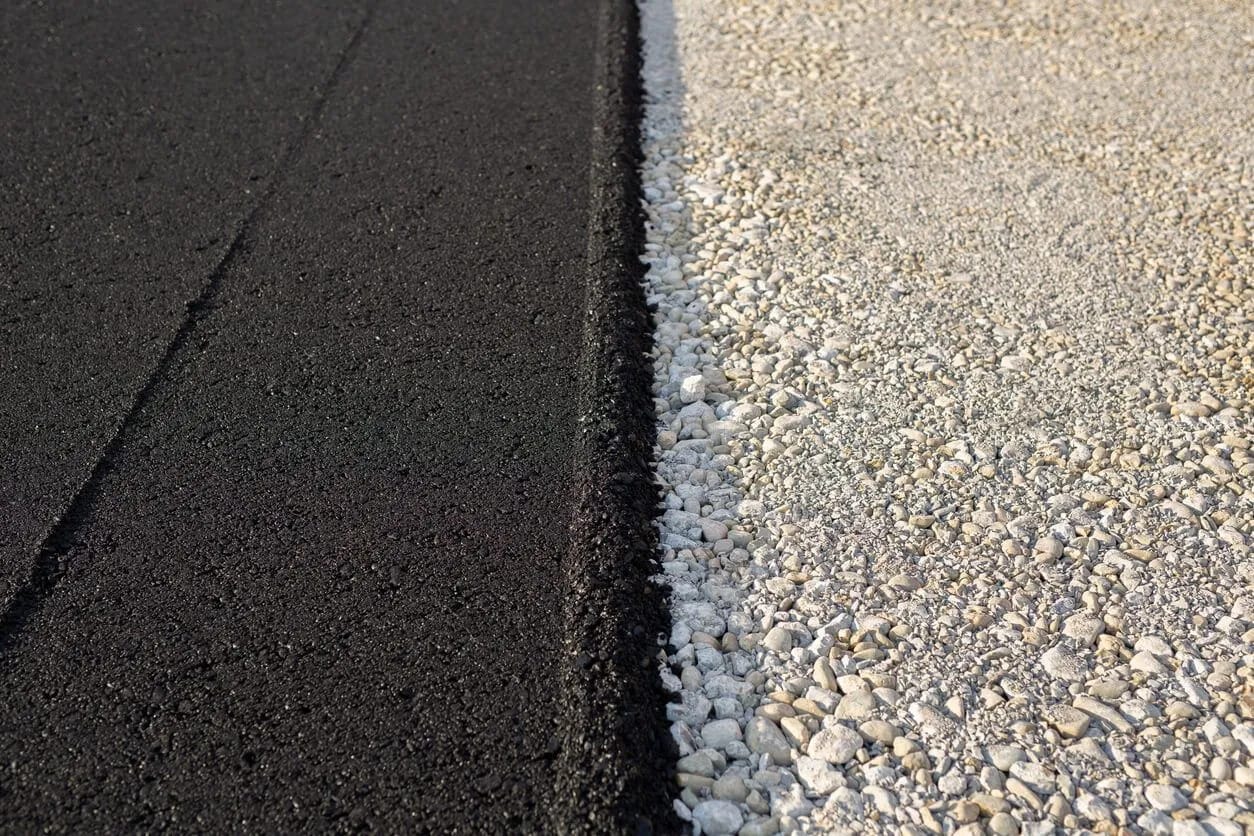
Upgrade your property with commercial gravel to asphalt conversions in Gilbert, AZ. We turn dusty, muddy gravel lots into clean asphalt parking and drive lanes. Our process includes grading, compaction, drainage improvements, and durable asphalt paving. Schedule a free site evaluation and conversion estimate.
Precision Asphalt Gilbert provides professional commercial gravel to asphalt throughout Gilbert, AZ, Arizona and the surrounding area. Our licensed, insured crew delivers safe, clean, on-time work with a free estimate before anything begins. Call (602) 641-4473 or request your free quote.
Commercial Gravel-to-Asphalt Conversions for Gilbert Businesses
If your commercial property in Gilbert is still dealing with dusty gravel parking areas or drive lanes, a commercial gravel to asphalt conversion can immediately improve appearance, safety, and usability. Precision Asphalt Gilbert focuses specifically on taking existing gravel surfaces and engineering them into long-lasting asphalt systems that handle our hot Arizona summers and occasional monsoon downpours.
We work with local retail centers, medical offices, churches, industrial yards, schools, and HOA common areas throughout Gilbert. Many of these properties were built with gravel to save money initially, but now need an asphalt surface that looks professional, keeps dust out of buildings, and meets modern accessibility and fire access expectations. Our team evaluates each site in person so we can recommend the right section thickness, drainage approach, and phasing to keep your business open while work is underway.
Site Evaluation and Planning for Gilbert Conditions
A successful gravel to asphalt conversion starts with a careful assessment of your existing base and how water moves across your property. In Gilbert, many commercial lots were graded decades ago when drainage standards were different, and the soil beneath the gravel can be a mix of compacted caliche and loose fill. Precision Asphalt Gilbert performs test digs and compaction checks to see whether the existing gravel can be reused as base or needs to be supplemented.
During our evaluation, we look at truck traffic patterns, dumpster locations, delivery areas, and fire lanes. A small medical plaza on Baseline Road has very different needs than a distribution yard near the 202. We map out where the pavement will experience the heaviest loads and design thicker asphalt or additional base rock in those zones. We also review current slopes to make sure stormwater flows toward existing scuppers, catch basins, or landscape areas instead of ponding near building entries.
Before work begins, we develop a phasing plan that fits your operation. For example, at a busy restaurant center we might pave in halves so customers can still access at least one entrance and parking row at all times. For industrial users in Gilbert’s business parks, we often schedule high impact work very early in the morning to avoid conflicts with truck traffic and deliveries.
How the Gravel-to-Asphalt Conversion Process Works
Once planning is complete, the actual conversion follows a series of controlled steps that protect your investment. First, Precision Asphalt Gilbert shapes and compacts the existing gravel. Any soft spots are undercut and replaced with suitable aggregate base. We typically use aggregate base course (ABC) that meets Maricopa County specifications, since it performs well on Gilbert’s native soils.
Next, we fine grade the area to create proper slopes, usually a minimum of 1 to 2 percent away from buildings. Laser or GPS guided grading equipment is often used on larger lots to maintain consistent elevations. After grading, we compact the base in multiple passes with vibratory rollers and plate compactors in tight areas. Our crews perform density checks so the base meets required compaction levels, which is critical to prevent future settling and alligator cracking.
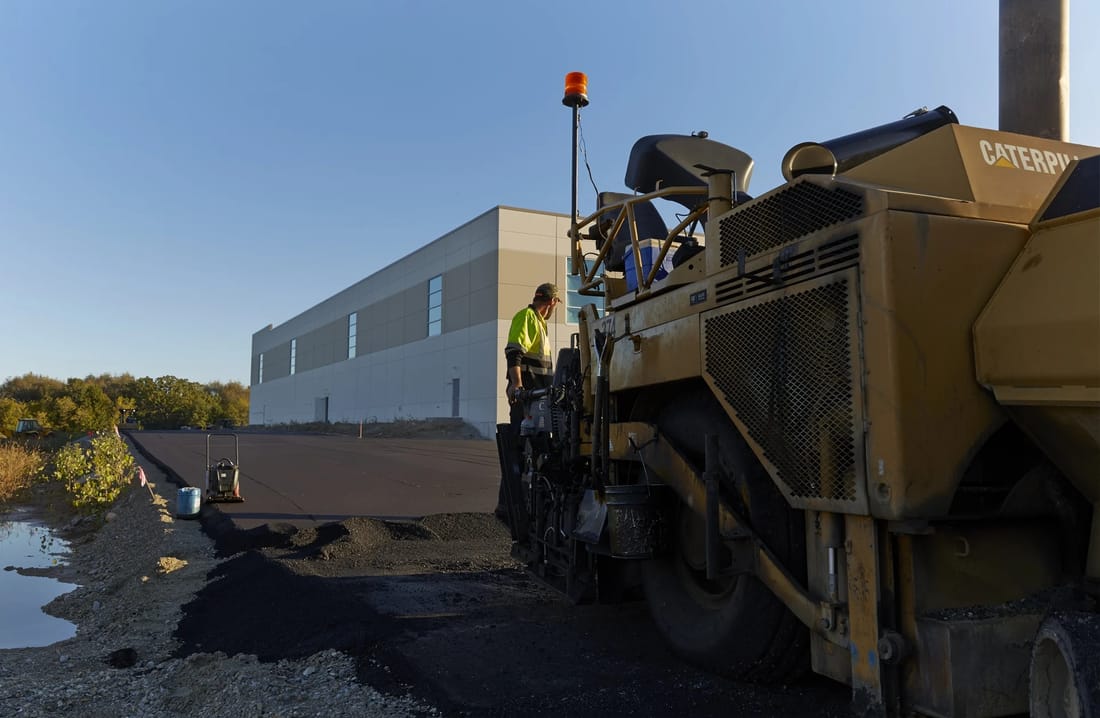
We then apply a tack coat where asphalt will tie into existing pavement or concrete. This creates a strong bond and avoids separation at edges, particularly at sidewalk transitions and around dumpster pads. Finally, we place hot mix asphalt at the thickness specified for your use, usually between 2 and 4 inches of compacted asphalt for light commercial lots and thicker where semi trucks are common. The asphalt is laid with a commercial paver for smoothness, then compacted with steel drum and pneumatic rollers to lock the aggregate together.
Material and Design Options for Commercial Lots
Commercial gravel to asphalt conversions are not one size fits all. For lighter duty areas such as employee parking at an office building, Precision Asphalt Gilbert might recommend a two-layer asphalt system, with a base course and a finer surface course to balance cost and performance. For loading areas behind supermarkets or warehouses where 18 wheelers turn frequently, we often design thicker sections and may suggest reinforcing the heaviest spots with concrete dumpster pads or dock aprons that transition cleanly into the asphalt.
We also consider color and temperature. Traditional hot mix asphalt is dark and absorbs heat, which is common throughout Gilbert. Where heat buildup is a concern, such as around assisted living facilities or schools, we can discuss sealcoat products with lighter tints to reflect more sunlight after the asphalt has cured. Striping layout is another important design choice. We help you optimize stall counts, accessible parking, fire lanes, and pickup zones so the new asphalt works better than the gravel ever did, not just looks better.
For properties near residential neighborhoods, like neighborhood retail centers, we can design smoother, quieter surfaces and use edge details that reduce gravel migration into adjoining yards. Thoughtful design up front reduces maintenance and neighbor complaints later.
Local Challenges: Dust, Drainage, and Heat in Gilbert
Gravel to asphalt conversions in Gilbert need to address specific regional issues. Dust control is a major reason many property owners call Precision Asphalt Gilbert. Gravel lots create fine dust that infiltrates HVAC systems, retail inventory, and medical facilities. Converting those surfaces to asphalt virtually eliminates dust from vehicle traffic and can help you comply with Maricopa County dust control regulations.
Drainage is another critical factor. Gilbert receives intense but short-lived storms, especially during monsoon season. A gravel lot may appear to drain acceptably, but once it is covered with asphalt, improper slopes can cause significant ponding. On older properties, we may need to add valley gutters, asphalt swales, or connect new catch basins to existing drainage systems. Where tying into storm drain infrastructure is impractical, we sometimes regrade to direct water into landscape retention areas in line with local standards.
Heat is also a consideration. Fresh asphalt can become extremely hot in July and August. We schedule work so that high foot traffic areas are paved and compacted during cooler parts of the day when possible, and we provide guidance on reopening times so you are not sending customers or staff onto soft, heat-sensitive pavement too early. These local realities influence how we schedule, design, and build every commercial gravel to asphalt project in Gilbert.
What Affects Cost and How to Budget Accurately
The cost of a commercial gravel to asphalt conversion in Gilbert is driven by several site-specific factors. The most significant is the condition and thickness of your existing gravel base. If your property has only a thin layer of decomposed granite over loose soil, we will need to import and compact more base material, which adds cost. Conversely, if you already have 4 to 6 inches of good compacted gravel, we can usually reuse much of it and focus the budget on asphalt thickness and drainage improvements.
Thickness of new asphalt is the next cost driver. Light duty employee parking can often use a thinner section than a trucking yard on Cooper Road that sees daily semi traffic. We will discuss your current and expected future use so we do not underbuild or overbuild the pavement. Access issues also affect pricing. Tight sites that require more handwork and smaller equipment, such as older medical plazas near downtown Gilbert, typically cost more per square foot than wide open industrial yards.
Additional line items can include new concrete curbing, valley gutters, ADA curb ramps, re-striping, signage, and wheel stops. If your existing site does not meet current ADA accessibility standards, this is a good time to make upgrades while the surface is being rebuilt. Precision Asphalt Gilbert provides written proposals that break out these elements clearly so you can prioritize work within your budget and plan phases if needed.
Working With Precision Asphalt Gilbert: What to Expect
When you contact Precision Asphalt Gilbert about a commercial gravel to asphalt project, we start with an on-site visit, not a guess over the phone. We walk the property with you, identify problem areas such as dust-prone drive lanes, muddy spots after irrigation, or rough loading zones, and talk through how your customers, tenants, and trucks actually use the space day to day.
We then provide a detailed plan that covers base preparation, asphalt mix and thickness, drainage adjustments, and traffic control during construction. Our crews coordinate with your tenants or operations manager so people know which entrances or sections will be impacted on which days. For multi-tenant centers, we can supply maps you can email to tenants so they can plan deliveries and inform their customers.
After the asphalt is installed, we complete striping, signage, and any concrete work. We also explain a maintenance schedule tailored for Gilbert conditions, typically including the first sealcoat within 12 to 18 months, depending on traffic, then periodic resealing to protect the asphalt from UV and fuel spills. Our goal is not only to convert your gravel to asphalt but to keep that new surface performing well for many years, so your property continues to look professional and function safely for everyone using it.