Home › Gravel-to-Asphalt Conversions
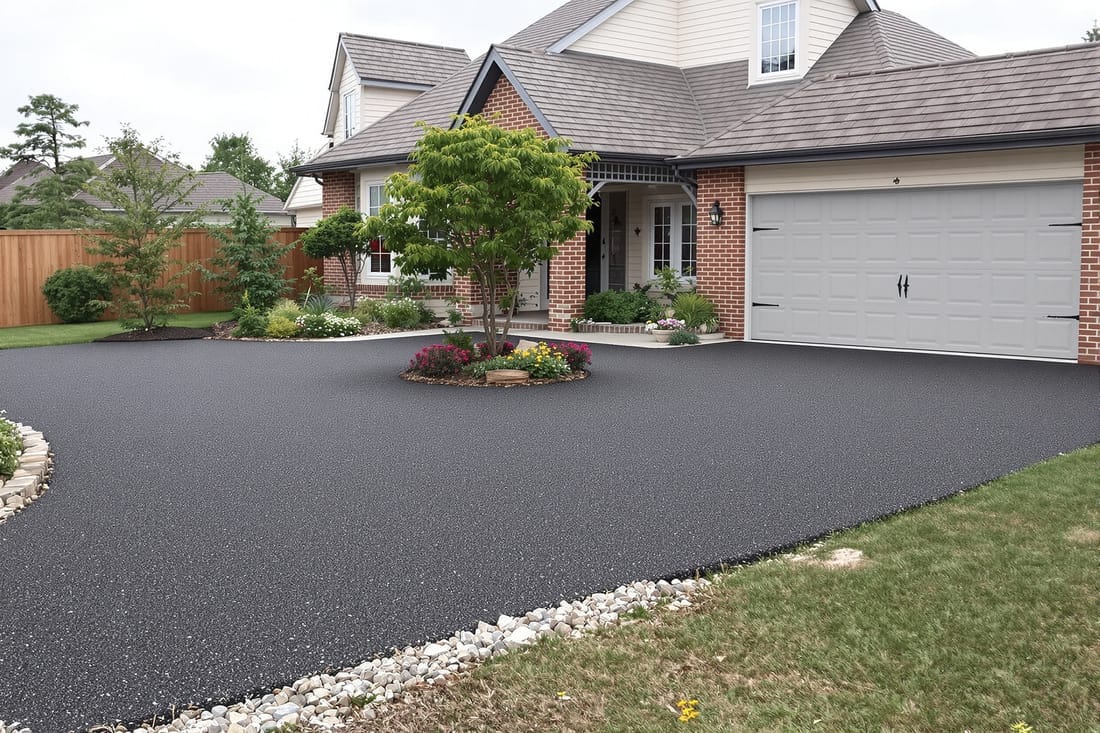
Upgrade from dusty ruts to smooth blacktop with gravel to asphalt driveway conversions in Gilbert, AZ. We regrade, compact the base, and install durable asphalt that reduces dust and mud. Enjoy easier snow removal and a cleaner look year round. Request a free gravel driveway conversion quote today.
Precision Asphalt Gilbert provides professional gravel to asphalt driveway throughout Gilbert, AZ, Arizona and the surrounding area. Our licensed, insured crew delivers safe, clean, on-time work with a free estimate before anything begins. Call (602) 641-4473 or request your free quote.
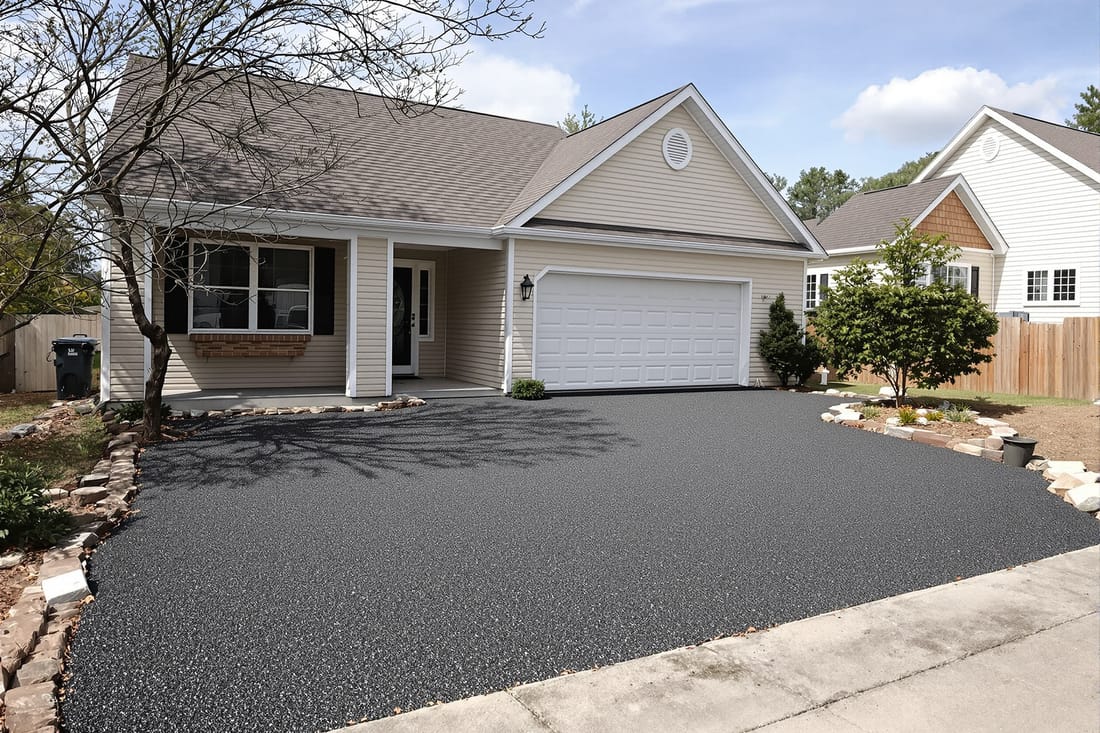
Turn Your Gravel Driveway Into a Clean, Solid Asphalt Surface
A gravel driveway in Gilbert works for a while, but most homeowners eventually get tired of dust, ruts, and washouts after a monsoon storm. Precision Asphalt Gilbert specializes in converting existing gravel driveways into smooth, long‑lasting asphalt surfaces that handle Arizona heat and sudden downpours.
Unlike a simple overlay, a proper gravel to asphalt driveway conversion starts with evaluating the base you already have. Many East Valley homes built in the 1990s and 2000s in Gilbert, Mesa, and Chandler have compacted decomposed granite or ABC (aggregate base course) under the gravel. If that material is the right depth and density, we can often rework it instead of starting from scratch, which saves you money.
Our focus is to give you a driveway that looks good in front of stucco and tile‑roof homes common in Gilbert and also stands up to heavy pickups, trailers, and landscape service vehicles. We plan each project around your property layout, drainage needs, and how you actually use the driveway, not just a standard template.
Step 1: Site Visit, Measurement, and Drainage Planning
Every gravel to asphalt driveway project with Precision Asphalt Gilbert starts with a site visit. We measure the driveway length and width, note slopes, and check how water currently flows during irrigation or storms. Gilbert’s caliche soils can trap water, so we look for low spots and soft areas that might turn into potholes later if they are not corrected.
We also check access for paving equipment. Narrow side yards, RV gates, and cul‑de‑sacs in neighborhoods like Power Ranch or Val Vista Lakes sometimes require smaller machines or adjusted staging, which can affect time and cost.
During this visit we will discuss options such as full‑width asphalt, flared parking areas near the garage, or a defined trash‑can pad. We also talk about tie‑ins to the street gutter, alley, or existing concrete. Proper edge planning is critical so you do not end up with a trip lip or a place where water collects along the transition.
You receive a written proposal that outlines base work, asphalt thickness, and any drainage corrections, so you know exactly what you are paying for and why.
Step 2: Base Correction, Grading, and Compaction
The most important part of a gravel to asphalt driveway conversion in Gilbert is the base. A fresh black surface can hide mistakes for a few months, but if the base is not right, heat and traffic will quickly create ruts and cracks.
Our crew begins by stripping loose, dusty gravel and organic material. Usable rock is re‑graded into the base and the rest is hauled away. Where the existing gravel is thin, we bring in new Class 2 or ABC aggregate, usually targeting a total base depth of 4 to 6 inches for residential driveways and 6 or more inches where heavy trailers or work trucks will park.
We then shape the driveway for proper drainage with a slight crown or a cross slope that directs water to the street or a swale. This matters in Gilbert because short but intense monsoon storms can quickly flood a flat driveway and seep under the asphalt if there is nowhere for the water to go.
Once the grade is set, we compact the base with a vibratory roller in multiple passes, checking density as we go. Soft spots or pumping areas are dug out and replaced with fresh aggregate. We do not pave until the base feels firm under the roller and underfoot, which is one of the main differences between a durable driveway and one that fails early.
Step 3: Asphalt Paving Options and Thickness Choices
After the base is ready, Precision Asphalt Gilbert installs hot mix asphalt produced to Arizona DOT specifications. For most Gilbert homes, we recommend 2.5 to 3 inches of compacted asphalt for standard residential use. Where there are RVs, boat trailers, or work trucks, we may suggest 3 to 4 inches, especially near the garage and in turning areas where tires twist on the surface.
You can choose between a standard residential mix or, in some cases, a mix with slightly larger aggregate for added strength in high‑load areas. Appearance also matters, particularly in HOA communities. We can finish the surface with neat edges, clean tie‑ins to existing concrete, and a consistent texture that looks at home with typical Gilbert front yards that blend rock landscaping and desert plants.
Paving is performed with a self‑propelled paver where access allows, which gives the most uniform mat, and with handwork in tight areas or along block walls and gates. Immediately after laying the asphalt, we compact it with a steel drum roller and, if needed, a smaller vibratory plate near edges. Proper compaction locks the aggregate together and reduces the risk of premature raveling under intense summer sun.
Common Problems We Solve in Gilbert Gravel Driveway Conversions
Local soil and weather create specific challenges that we plan for. In many Gilbert backyards and rural lots, the subgrade transitions from loose topsoil to hard caliche layers. If not handled correctly, these transitions can create reflective cracks or dips in the finished asphalt. We address this by scarifying, moisture‑conditioning, and recompacting those zones before base rock is placed.
Monsoon run‑off from neighboring lots or roof downspouts can also dump water across the driveway. During planning, we may recommend shallow valley sections, added cross slope, or minor grading on the shoulders to move water where it cannot undermine the asphalt edge.
For older properties that have had years of DIY gravel additions, we often find pockets of clay, broken concrete, or buried debris mixed into the base. These areas are excavated and corrected rather than paved over. Skipping this step is one of the main reasons some new asphalt driveways start to settle within a year, especially under parked vehicles.
Finally, heat is a factor. Arizona summers can reach well above 100 degrees, so we time our work to avoid overworking hot asphalt in the peak afternoon when possible, and we use compaction techniques that account for faster cooling in shaded sections along tall block walls.
What Drives the Cost of a Gravel to Asphalt Driveway in Gilbert
Homeowners often ask why quotes for gravel to asphalt driveway conversions differ. Precision Asphalt Gilbert builds each estimate around measurable items so you understand what you are paying for.
Major cost factors include total square footage, base thickness, and asphalt thickness. A narrow 2‑car driveway off a suburban cul‑de‑sac will cost less than a wide loop driveway on a larger lot near the agricultural edges of Gilbert simply because of material volume.
Base correction is the next driver. If your gravel has been well maintained and drains properly, we can often reuse much of the existing stone. If we find widespread soft areas, thick dust layers, or poor drainage, more excavation and new aggregate will be required, which affects the budget.
Access can influence cost. Tight gates or limited turnaround space can require more handwork and smaller equipment. Tie‑ins to existing concrete, such as decorative borders, sidewalks, or RV pads, add detail work so the transition is smooth and neat.
We provide itemized proposals that separate base work, asphalt, and any extras such as additional parking spurs or small approach sections at the street so you can adjust scope to match your budget without sacrificing essentials like thickness and compaction.
What to Expect After Paving and How to Care for Your New Driveway
Once your gravel to asphalt driveway is complete, most Gilbert homeowners can walk on it the same day and drive on it within 24 to 48 hours, depending on temperature and asphalt thickness. We will give you specific guidance at the end of the job based on the conditions that day.
For the first few weeks, we recommend avoiding sharp turning of steering wheels while the vehicle is stopped and keeping very heavy loads in motion rather than parked in the same exact spot for days. This allows the asphalt to finish curing and hardening without scuffing.
In our climate, sealcoating is typically recommended about 12 to 18 months after installation, then every 3 to 5 years, depending on sun exposure and traffic. Sealcoat helps resist oxidation from intense sun and keeps the surface looking darker and more uniform.
We also show you how and where to watch for drainage issues after the first big storm. If you ever see standing water that does not clear within a day, or if you notice a developing rut or crack, Precision Asphalt Gilbert can evaluate and address small issues before they become expensive repairs.
With a properly built base, correct drainage, and basic care, a converted gravel to asphalt driveway in Gilbert can provide 15 years or more of reliable service, while greatly cutting dust, mud, and weekly raking or regrading.