Home › Walkway and Pathway Paving
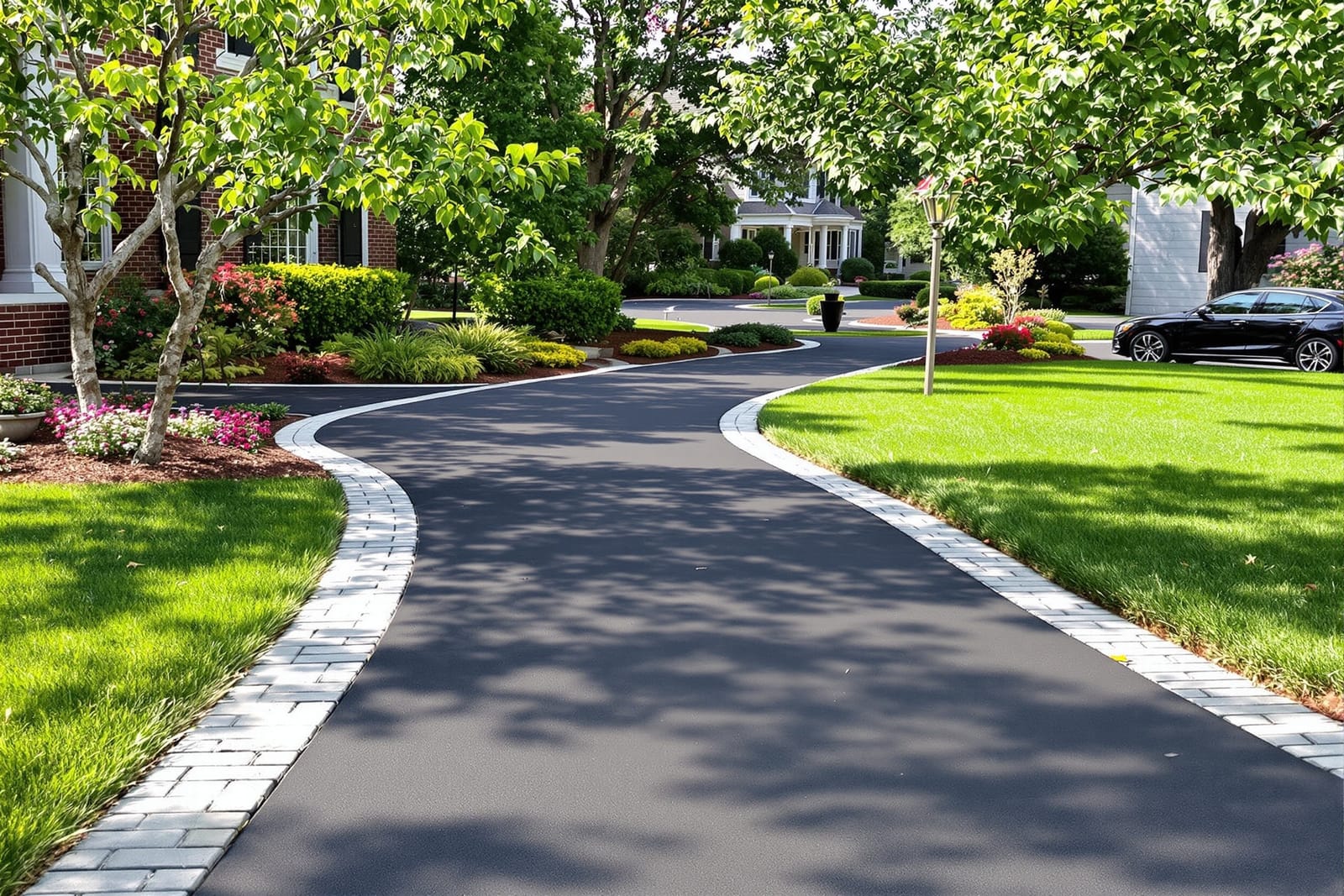
Create safe, attractive connections around your property with asphalt walkway paving in Gilbert, AZ. We design and install smooth paths from driveways to doors, gardens, and shared spaces. Our crew handles grading and edging so your paths drain well and stay stable. Request a free walkway design and estimate.
Precision Asphalt Gilbert provides professional asphalt walkway paving throughout Gilbert, AZ, Arizona and the surrounding area. Our licensed, insured crew delivers safe, clean, on-time work with a free estimate before anything begins. Call (602) 641-4473 or request your free quote.
Durable Asphalt Walkways and Paths in Gilbert, AZ
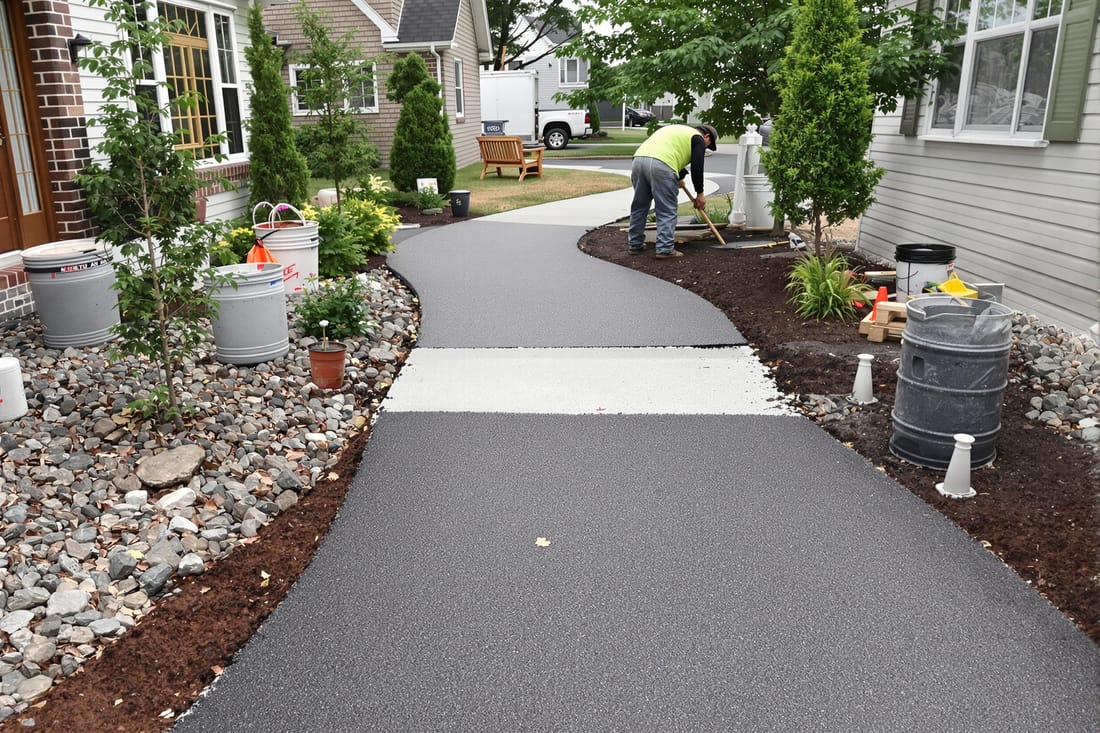
Precision Asphalt Gilbert designs and installs asphalt walkway paving that holds up to Gilbert’s intense sun, monsoon rains, and heavy foot traffic. Whether you need a winding path through a community greenbelt, a straight walkway from parking lot to office entrance, or access routes around a HOA pool, we build surfaces that stay smooth and safe for years.
Local conditions drive how we pave here. Summer temperatures routinely exceed 110 degrees, so we choose asphalt mixes and installation methods that resist softening, scuffing, and premature cracking. Monsoon storm runoff can wash out poorly built paths, so we pay close attention to base preparation and drainage to keep your walkways stable even after heavy rain.
We work with property managers, HOAs, churches, schools, and homeowners across Gilbert and the East Valley. Our crews are used to working in tight spaces between buildings, around mature landscaping, and along existing concrete. From planning and layout through compaction and clean‑up, Precision Asphalt Gilbert handles the full process so you get a walkway that looks intentional and functions correctly with the rest of your property.
Planning Your Walkway or Pathway Layout
The most important decisions for asphalt walkway paving in Gilbert happen before any equipment arrives. We start with a site walk and measure the actual routes people already use, such as worn dirt tracks from parking lots to entries or shortcuts between buildings. Building along these natural paths reduces off‑path traffic and future landscape damage.
We then discuss how the walkway will be used. For example, a residential side‑yard path that only handles a few people a day can be narrower and use a standard mix. A school or park path that sees strollers, wheelchairs, and maintenance carts may need extra width, tighter turning radiuses, and thicker asphalt. If you anticipate golf carts or utility vehicles on the path, we plan the section like a light‑duty drive lane rather than a simple footpath.
Gilbert’s flat terrain can cause drainage issues if the layout is not planned correctly. We design gentle slopes so water sheds off the path instead of puddling in the middle. Where the path runs along block walls or building foundations, we adjust grades to avoid pushing stormwater toward structures. If needed, we incorporate small swales or tie the path into existing drainage features on the property.
During planning we also coordinate transitions to adjacent surfaces. That may mean feathering asphalt to meet an older parking lot, tying into concrete sidewalks, or leaving precise gaps for landscape borders, pavers, or steel edging. Clarifying these details before paving keeps the finished walkway clean and consistent instead of looking like a patchwork of last‑minute fixes.
How We Build Long‑Lasting Asphalt Walkways
Quality asphalt walkway paving is mostly about what you cannot see after the job is done. Precision Asphalt Gilbert follows a step‑by‑step process that focuses on the base and compaction so the finished path stays smooth instead of settling or cracking.
First we clear and strip the walkway route. That can include removing sod, decorative rock, old concrete, or failed asphalt. We excavate to the planned depth, typically 4 to 8 inches below finished grade depending on soil conditions and expected use. Soft or expansive soils, which are common in parts of Gilbert, are either undercut and replaced or stabilized so they will not shift as moisture changes.
Next we install and compact the aggregate base, usually a crushed rock base course. For light foot traffic paths on stable soil we may use 3 to 4 inches of base. For HOA main walkways, school campuses, or paths that will see carts or small vehicles, we increase base thickness and use higher quality material. Each lift of base is compacted with plate compactors or small rollers until it meets density requirements, not just flattened on the surface.
We then set forms or edges where needed and fine‑grade the base to establish correct cross slope for drainage. Only after the base is tight and shaped do we pave. Typical footpaths receive 2 to 3 inches of hot mix asphalt placed in one lift. Heavier duty paths may receive 3 to 4 inches in one or two lifts. We use smaller, more maneuverable pavers and rollers for paths running through courtyards and narrow corridors so we can achieve uniform thickness and compaction without tearing up your landscaping.
Finally we compact the hot asphalt with the appropriate roller pattern and check for smoothness, low spots, or segregation. Joints where new asphalt meets existing surfaces are carefully rolled to avoid lips that create trip hazards. Before we leave, we sawcut or hand finish edges as specified, clean the site, and discuss cure time and opening schedules with you.
Material Options, Edging, and Design Details
Although asphalt walkway paving is usually chosen for function and cost efficiency, there are several design and material choices that affect appearance and performance.
For most Gilbert walkways, we use a dense‑graded hot mix asphalt tailored for pedestrian traffic. It compacts tightly, resists raveling, and provides a comfortable walking surface. In higher visibility areas, such as office parks or community clubhouses, some clients choose a slightly finer aggregate mix that offers a smoother, more finished look.
Edge treatment has a big impact on durability. A full‑depth asphalt edge, where the asphalt is thick all the way to the side and supported by compacted base, holds up best. In landscaped areas, we often install steel edging or concrete borders along the path before paving. This keeps decomposed granite and rock out of the walkway and prevents the asphalt edges from fraying as people step on and off the path.
Color and finish can be customized. Standard asphalt cures to a deep charcoal. If you plan to sealcoat (which we recommend after the first year), we can use darker or lighter sealers to adjust the final tone and reduce heat absorption slightly. In areas where heat buildup is a concern, such as playground access paths, we can discuss coatings that are more reflective than traditional sealcoat.
For accessibility, we make sure slope, cross slope, and transitions meet ADA guidelines where required, such as public facilities and commercial properties. At curb ramps or intersections with parking, we coordinate with concrete trades for truncated domes or tactile warning surfaces while still tying the asphalt walkway cleanly into those features.
Lighting and landscaping coordination is also part of the conversation. If you plan to add bollard lights, irrigation sleeves, or conduit crossings beneath the path, we schedule that work before paving so the asphalt does not need to be cut later.
Cost Factors for Asphalt Walkway Paving in Gilbert
Asphalt walkway paving is usually more economical than concrete, but several specific factors drive pricing for projects in Gilbert.
Path length and width are the most obvious. A simple straight 4‑foot wide walkway beside a building is quicker and less expensive per square foot than a winding 6‑foot path with multiple tie‑ins, transitions, and curves. Tight access that requires smaller equipment or significant handwork also increases labor time.
Site conditions under the path matter just as much. Native soils in Gilbert range from relatively firm to highly expansive clay. If we can build on firm subgrade with minimal correction, costs stay low. If the soil pumps under load, has high moisture content, or has been disturbed by previous trenching, we may recommend undercutting and replacing with compacted base or using a stabilization method. This adds up front cost but typically prevents much more expensive repairs later.
Thickness of base and asphalt is another factor. A light residential garden path may perform well with a thinner section. A HOA perimeter path that doubles as emergency or maintenance vehicle access needs a heavier section. We will show you options so you can see the cost difference between a minimum build and a more robust design and choose what fits your budget and risk tolerance.
Small projects sometimes have a higher per square foot price because they still require mobilization, traffic control, and supervision. To offset this, some clients in the same neighborhood or business park coordinate multiple walkways or combine walkway work with parking lot maintenance so we can complete everything in one mobilization.
Finally, access, demolition, and tie‑in details affect cost. Removing old concrete sidewalks, matching existing elevations at doors or gates, and working around utilities or irrigation can be more labor intensive than paving a new open route through dirt. Precision Asphalt Gilbert provides clear written estimates that break these items out so you understand where your money is going.
Common Walkway Problems in Gilbert and How We Fix Them
Many calls we receive at Precision Asphalt Gilbert are not for brand new paths, but for walkways that have become a nuisance or hazard. Understanding the typical failures helps you decide whether to repair or replace.
Trip hazards at joints and edges are a common complaint, especially where asphalt meets older concrete, tree roots, or settled pavers. We evaluate whether these can be corrected by localized milling, patching, or small overlay sections. In some cases, grinding down a high spot and installing a thin leveling course provides a smooth transition without requiring full replacement.
Cracking is another issue. In Gilbert, thermal movement and expansive soils can create linear cracks along the path. Hairline surface cracks may be treatable with crack filling and sealcoat if addressed early. Alligator cracking or large depressions usually indicate base or subgrade failure. In those cases, the most reliable fix is to remove and rebuild the affected section instead of repeatedly patching the surface.
Drainage problems show up as standing water or slime buildup after irrigation or monsoon storms. Water that sits on asphalt accelerates deterioration and can be a slip hazard. Correcting this may involve regrading adjacent landscaping, installing small valley sections, or rebuilding part of the walkway with proper slope. We use straightedges and laser levels to check slopes so corrections are precise instead of eyeballed.
Edge breakdown is frequent along paths that border rock or grass. When the asphalt edge is unsupported, it begins to crumble where people step off the side or where landscape maintenance equipment runs too close. Our repairs include cutting back the damaged edge, rebuilding base, and installing a stable edge (such as steel, concrete, or a thicker asphalt shoulder) so the problem does not reappear in a year.
We will always tell you when a targeted repair makes sense versus when you are better off investing in a new, properly built walkway section.
Why Property Owners in Gilbert Choose Precision Asphalt Gilbert
Walkway and pathway projects often run through the most visible and heavily used areas of a property. That is why commercial property owners, HOAs, and homeowners in Gilbert look for a paving contractor who treats these smaller but critical routes with the same care as a full parking lot.
Precision Asphalt Gilbert focuses on clear communication and scheduling around your activity. For schools, we target breaks or weekends. For busy offices and medical facilities, we phase the work so entries remain accessible and provide temporary pedestrian routes when needed. We coordinate with your landscaping and maintenance teams so irrigation lines, lighting, and gates are not an afterthought.
Our crews are trained to work in confined areas near buildings and through landscaped courtyards without unnecessary damage. We use the right sized equipment and protect adjacent surfaces where we work. At the end of each day, we leave the area clean and safe, with barricades and signage where access is restricted.
If you are planning new asphalt walkway paving or need to address problems with existing paths in Gilbert or nearby East Valley communities, we can walk the site with you, discuss options, and provide a detailed proposal. You will know the scope, thicknesses, materials, and timeline before work begins, so there are no surprises after the asphalt is down.